
Most people in crisis don't know where to start.
They know they need help. They don't know who to call, which agency handles what, which programs they qualify for, or how to navigate a system that was never designed to be navigated easily.
211 was built to solve that.
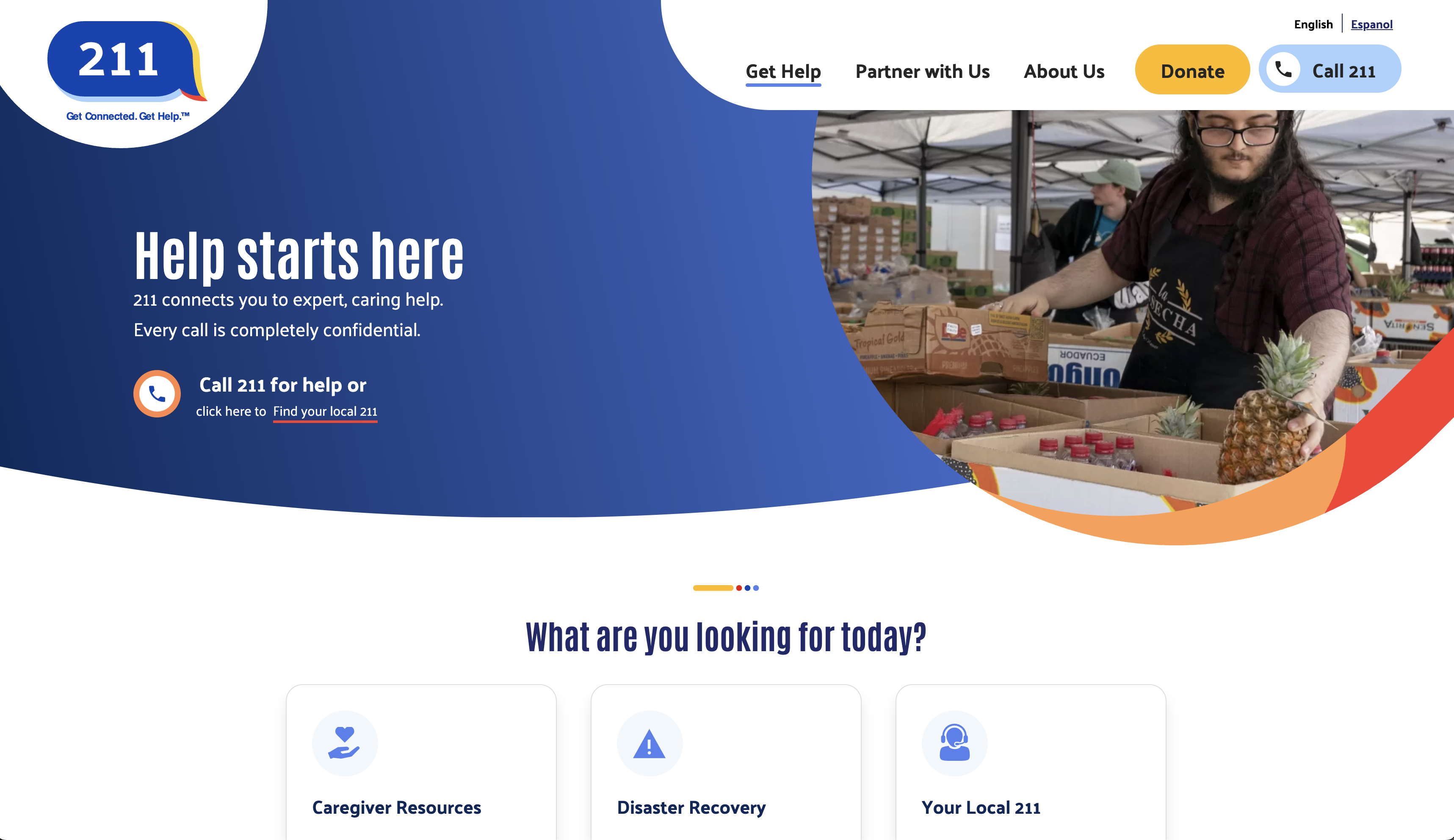
It's a free, confidential helpline — call or text 211 from anywhere in the United States or most of Canada and a trained specialist answers. You tell them what you need. They search a database of local resources and connect you to programs in your area that can actually help. No wrong door. No getting bounced between agencies. One call.
The website works the same way. Go to 211.org, enter your zip code, and search by category — food, housing, utilities, healthcare, mental health, childcare, legal aid, transportation, employment. The database has over 20,000 verified resources across every community in the country, updated regularly by local United Way chapters that operate the service.
The range of what it covers is wider than most people realize. Emergency food pantries and free meal programs. Rental assistance and eviction prevention. Crisis counseling and suicide prevention. Utility shutoff help. Free tax preparation. Disability services. Domestic violence shelters. Immigration assistance. Senior care. Veteran services. After-school programs. Free legal aid.
Not all of these programs advertise. Many of them exist specifically for people who need them but don't know to look. 211 is the lookup.
It's operated by United Way and funded by a combination of government grants and private donations. The call is always free. The information is always confidential. There's no income threshold to use the service — it's for anyone who needs help finding help.
211 has existed since 2000. Most people still don't know about it.
Now you do. And now you can tell someone else.